Indian Diet Plan for Weight Loss

Diet & Nutrition1 month ago208 Views

Weight loss does not require giving up traditional foods or following extreme foreign diet trends. The Indian diet plan for weight loss achieves its highest effectiveness through its correct proportioning of food components and its use of nutritious cooking techniques. Indian cuisine provides an abundant selection of spices and fiber and plant-based proteins and various tastes that enable weight loss without compromising meal satisfaction.

At wieghtlossformula.com, we believe that sustainable weight loss comes from practical, culturally familiar eating patterns rather than restrictive dieting. An Indian diet plan for weight loss focuses on portion control, balanced macronutrients, and whole, minimally processed foods. The combination of this method with consistent exercise and adequate sleep results in sustained fat reduction and better health results.


Weight Loss in the Indian Context

Traditional Indian meals achieve balanced nutrition through their combination of carbohydrates and proteins and their inclusion of healthy fats. The modern lifestyle of people who eat refined flour products and deep-fried foods and sugary drinks while remaining inactive has led to increased body weight.

The World Health Organization states that people need to consume balanced diets while engaging in regular exercise to achieve and maintain healthy body weight. Indian dieters should consume whole grains such as atta (whole wheat) and millets and brown rice while consuming pulses and vegetables and healthy fats in controlled amounts.

People who want to lose weight through an Indian diet should not avoid all rice and roti consumption. The process requires selecting better-quality carbohydrates while controlling portion amounts and consuming enough protein.


Importance of Protein in an Indian Diet Plan

People who follow traditional Indian diets frequently fail to consume enough protein. Protein serves three vital functions because it helps maintain muscle mass while enabling metabolic processes and producing longer-lasting feelings of fullness. The weight loss process will become slower when people do not consume sufficient protein because their food cravings will increase.

A person can create a balanced weight loss diet through vegetarian protein sources which include lentils (dal) and chickpeas (chana) and kidney beans (rajma) and paneer and tofu and soy products. Non-vegetarians can include eggs, chicken, and fish for additional protein support.

The practice of adding protein to every meal helps people manage their hunger which leads to decreased food consumption. The nutritional value of a meal increases when people combine roti with dal and sabzi or when they put grilled chicken into a salad.

wieghtlossformula.com

Choosing the Right Carbohydrates

Indian cuisine incorporates carbohydrates as a main ingredient. The specific carbohydrates and their total amount in a meal determine its nutritional value. Refined carbohydrates which include white bread and maida-based naan and sugary desserts cause rapid blood sugar spikes which lead to fat accumulation in the body.

The switch to whole grains which include brown rice and multigrain atta and jowar and bajra and ragi results in higher fiber content and better nutritional value. The body processes these complex carbohydrates at a slow pace which results in extended periods of fullness and helps to control unexpected food cravings.

The ability to recognize proper food amounts stands as an essential requirement. The combination of small rice portions and single roti together with vegetables and protein creates a healthy plate which helps people maintain their body weight.

Incorporating Healthy Fats

Healthy fats serve a vital function for maintaining hormonal equilibrium while promoting fullness in individuals. Indian cooking incorporates ghee and mustard oil as traditional ingredients which can support a healthy diet when consumed in limited amounts.

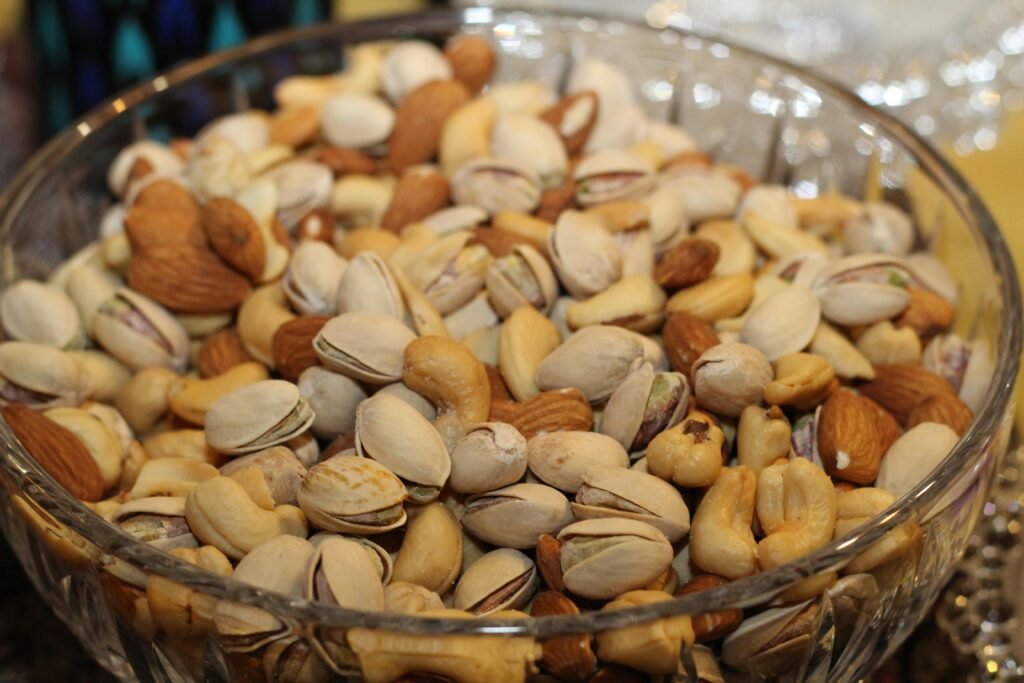
Nuts including almonds and walnuts plus seeds such as flaxseeds and chia seeds and oils like cold-pressed mustard oil or groundnut oil deliver valuable beneficial fats. People should avoid deep-frying because it should be used less while streaming and roasting and grilling and sautéing should be used instead.

A small amount of healthy fat enhances flavor and nutrient absorption without excessive calorie intake.

Sample Structure of an Indian Diet Plan for Weight Loss

A balanced day might begin with warm water and lemon, followed by a breakfast rich in protein and fiber. The combination of vegetable oats and moong dal chilla and vegetable upma prepared with minimal oil and boiled eggs together with multigrain toast delivers lasting energy throughout the day.

The mid-morning snacks should contain seasonal fruits that include papaya and apple and guava together with a small serving of nuts which will help decrease hunger.

The lunch meal includes one or two whole wheat rotis or a small portion of brown rice together with dal and a vegetable sabzi and curd. The salad serves two purposes because it increases fiber consumption while helping with digestion.

The evening snacks can include roasted chana and sprouts chaat and green tea. The body can decrease its calorie intake by choosing not to eat fried snacks like samosas and pakoras.

Dinner should ideally be lighter than lunch. A bowl of vegetable soup with grilled paneer or chicken or stir-fried vegetables with tofu provides protein without excessive carbohydrates. The body benefits from weight control and digestion when people eat dinner two to three hours before they go to sleep.

weightlossformula.com

Hydration and Traditional Beverages

The modern practice of weight loss needs to recognize proper hydration as an essential requirement. Water consumption throughout the day enables better metabolic function while decreasing the need for extra food consumption.

Buttermilk (chaas) and coconut water and herbal teas serve as nutritious options from traditional drinks. People should restrict their consumption of sweetened lassi and packaged juices and soda.

The Centers for Disease Control and Prevention demonstrates that weight control and health improvement both benefit from decreased consumption of added sugars.

Managing Portion Sizes and Cooking Methods

People who eat healthy foods in large amounts will gain weight from their food choices. The practice of mindful eating together with portion control needs to be followed. The practice of using smaller plates together with measuring cooking oil and skipping extra food servings will create an important impact.

People’s calorie consumption depends on the cooking methods used. The health benefits of steamed idlis increase when people choose steaming over puris frying and they opt for grilling instead of deep frying and they prepare tadka with only essential oil.

Balancing Spices and Digestion

Spices help balance between their flavoring effects and their impact on digestive processes. The Indian spices of turmeric, cumin, coriander, ginger and black pepper do more than improve taste because they also help with digestion and metabolic functions. The consumption of spices results in no weight reduction yet they serve as helpful partners to a nutritious eating plan.

You should stay away from gravies that contain excessive amounts of cream and butter. You should choose curries that use tomato as their base or have mild spices and require only small amounts of oil for cooking.

Consistency and Lifestyle Factors

The optimal results of an Indian weight loss diet plan require its implementation together with exercise and sleep and stress control methods. The combination of walking and yoga and strength training and traditional Surya Namaskar practice enables people to burn more calories while improving their overall health.

Weight loss that lasts requires people to develop patience because it takes time to achieve their goals. The body needs food to function properly so people who practice crash dieting and meal skipping will experience slower metabolism and nutritional deficiencies. The right approach to achieve your goals requires you to maintain consistent progress while eating nutritiously.

Conclusion

An effective Indian diet plan for weight loss requires balanced food intake together with proper portion sizes and consumption of nutrient-rich foods. Your dietary choices should include whole grains together with increased protein consumption and vegetable intake while using healthy fats in limited amounts and excluding high-sugar and fried food products to attain permanent weight management results.

The website wieghtlossformula.com provides users with practical methods which respect their cultural background and which help them achieve results that last over time. Weight loss does not require extreme restriction—it requires mindful choices and consistent habits.

You can achieve weight loss through an Indian diet when you use proper methods to create tasty food. People should keep their health through consistent good choices which they should make throughout the day.


Leave a reply

Loading Next Post...
Follow
Sidebar Search
Popular Now
Loading

Signing-in 3 seconds...

Signing-up 3 seconds...