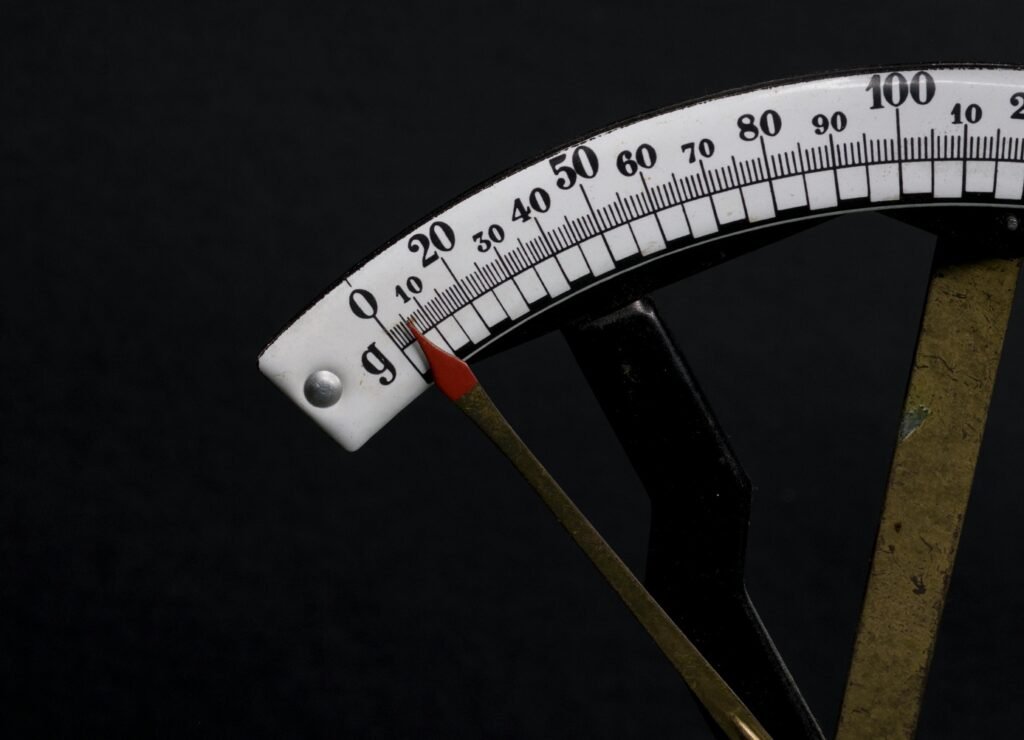
Factors That Influence Weekly Weight Loss
The typical weight loss recommendation suggests people should lose between one and two pounds of weight each week but actual outcomes show major differences among different people. Weight loss speed for a person depends on multiple different factors.
Body weight serves as an essential component. A person who carries excessive body weight will experience initial weight loss at a higher speed because their body needs additional power to operate. The weight loss process shows a pattern where reduced body weight leads to decreasing weight loss speeds.
Metabolism functions as a crucial element. Resting metabolic rate serves as the basis for determining the number of calories a person burns throughout the day. People with faster metabolic rates will experience weight loss at an easier rate than people with slower metabolic rates.
Weight loss results depend on how much someone exercises. People who exercise regularly will burn more calories while also increasing their ability to burn fat. Strength training enables individuals to retain their muscular strength which leads to better physical results.
The quality of the diet serves as an important factor. People who eat nutrient-dense foods including vegetables and fruits and lean proteins and whole grains will manage their calorie intake while improving their health. Processed foods that contain high levels of sugar and unhealthy fats will create challenges for people who need to maintain a calorie deficit.
Role of Diet in Weekly Weight Loss
The most essential element which helps people achieve their weight loss goals exists in following a balanced diet. The body loses fat through moderate calorie deficits, which require proper nutrition to maintain muscle mass and energy levels.
Weight loss benefits from protein because it helps preserve muscle mass while creating satiety. Foods high in fiber content enable people to control their eating patterns because these foods take time to digest and they help maintain stable blood glucose levels.
People often forget about hydration. Drinking sufficient water consumption enables people to manage their hunger while assisting their body systems that operate fat metabolism. People can avoid consuming extra calories by switching from sugary beverages to plain water.
People should establish long-term eating patterns which support their health instead of trying to follow diets which limit their food intake.
Exercise and Its Impact on Weight Loss
People’s weekly weight loss results show a strong connection to their exercise activities. People who engage in physical activity, which leads to higher calorie consumption, experience multiple health benefits.
People who engage in cardiovascular activities, including walking, cycling, swimming, and jogging, burn calories while their heart health improves. People who perform strength training exercises develop muscle mass, which leads to an increase in their body’s base metabolic rate.
The combination of multiple exercise methods produces optimal workout outcomes. People who maintain continuous movement throughout their day burn calories while achieving a balanced energy state.
Bear in mind that exercise helps people lose weight, which also enhances their mood and energy and mental health. The advantages of these benefits enable individuals to maintain their weight loss progress while staying driven to achieve their fitness objectives.