How Cortisol Affects Belly Fat: Stress Hormone Connection to Weight Gain

Health & Wellness2 days ago26 Views

Wieghtlossformula.com

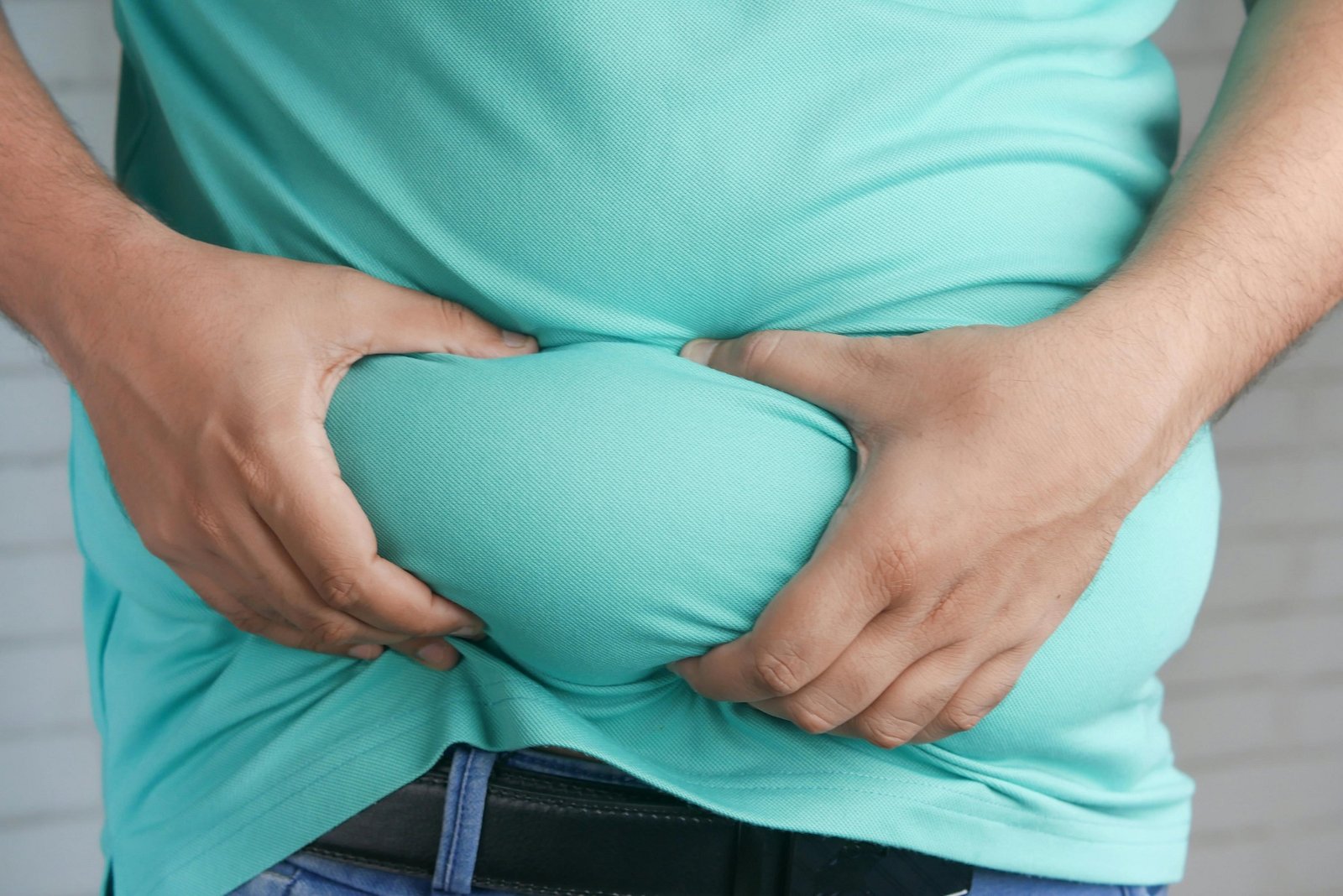
People tend to attribute belly fat to their eating too much and exercising too little, but the actual reason for this condition goes beyond simple calorie consumption. The most common reason people develop persistent abdominal fat is due to their body producing excess cortisol, which is a hormone that comes from stressful situations. The body of a person who maintains a healthy diet and exercises for optimal health will still develop abdominal fat if their cortisol levels stay high throughout the day. The process of weight reduction requires people to understand how their body handles cortisol since it directly influences their ability to achieve their weight reduction goals. The website weightlossformula.com helps people discover the main reasons behind their weight gain problems, which allows them to solve their fundamental issues instead of just treating their surface problems.

People know cortisol as the stress hormone, but it performs multiple functions throughout the body’s various systems. The human body requires cortisol in proper amounts to maintain its essential functions. The human body needs this substance to maintain its blood sugar levels, to handle bodily inflammation, and to produce energy. The body enters a metabolic disruption phase when cortisol stays elevated for extended periods, which causes increased fat accumulation in the abdominal area.


What Is Cortisol and Why the Body Needs It

Cortisol functions as a stress hormone which our adrenal glands produce and release from our body during its automatic stress response. Our body increases its cortisol production during stressful situations because this hormone provides immediate energy by raising blood sugar levels. The response works effectively during short-term emergencies which include both physical threats and high-intensity sports activities.

The situation turns problematic when people experience continuous stress instead of short-lived stress. People in modern society face unending stress because they must deal with work-related demands and financial concerns and sleep deprivation and emotional distress and severe dieting practices. The body keeps producing elevated cortisol levels which create a state that forces fat storage to become the body’s main focus when it detects continuous stress conditions.


Why Cortisol Targets Belly Fat Specifically

The digestive system of humans contains particular fatty tissues which react to cortisol because these tissues contain a high number of cortisol receptors. The body stores visceral fat which wraps around internal organs because this fat type responds to cortisol hormone levels. The body will store fat when cortisol levels increase because the fat cells will begin to collect energy instead of letting it go.

From an evolutionary standpoint, storing fat in the abdominal area was a survival mechanism. People needed to keep their vital organs protected during times of food scarcity which required them to store energy in their abdominal regions. The current world situation makes this natural response work against people who want to lose weight.

The body experiences higher insulin levels because of increased cortisol levels which occurs when people consume refined carbohydrates. The body stores fat because of high insulin levels while cortisol causes most fat storage to occur in the abdominal region. The combination of these two factors makes it difficult for people to lose abdominal fat through standard dieting practices.


Relationship Between Cortisol and Insulin

Cortisol and insulin work together in the body because their increased levels create extreme challenges for fat elimination. Cortisol increases blood sugar levels to supply immediate energy, while insulin functions to transport sugar from the bloodstream into body cells. The recurring pattern creates chronic stress, which results in the development of insulin resistance.

Insulin resistance creates challenges for glucose absorption into cells, which results in increased insulin production throughout the day. The body environment establishes strong conditions that promote the storage of fat, especially in the form of visceral fat. Insulin resistance, which results from elevated cortisol levels, prevents abdominal fat reduction even when people maintain their calorie consumption.

wieghtlossformula.com

How Chronic Stress Leads to Weight Gain

Chronic stress causes two main effects because it increases cortisol production and creates changes in appetite. The body experiences hunger because cortisol levels rise and this leads to intense cravings for foods that contain high levels of calories and sugar and fat. The body experiences temporary stress relief through these foods because they produce an increase in dopamine and serotonin which leads to the development of emotional eating loops.

The body continues to consume additional calories through this behavior because individuals do not realize their actual food consumption. The combination of stress-induced overeating and cortisol-induced fat accumulation creates an ideal environment for the development of abdominal fat.

Stress causes people to lose their desire to exercise while it also interrupts their ability to recover from physical activity. The body experiences elevated cortisol levels during the recovery process when intense exercise occurs without proper rest or nutrition.

Cortisol, Sleep, and Belly Fat

The relationship between cortisol levels and belly fat ties to sleep patterns. The body produces higher cortisol levels because sleep deprivation represents one of the most powerful triggers for this effect. The body experiences increased cortisol levels which disrupt its appetite control system after just a few nights of inadequate sleep because the body needs. The combination of low leptin levels with high ghrelin levels results in increased food intake while reducing satiety.

The body remains under stress when a person experiences persistent sleep deprivation which leads to weight gain through fat storage and metabolic rate reduction. The first physical signs of these changes appear on the stomach area. The most effective method to reduce cortisol levels and achieve better abdominal fat loss results from improving sleep quality.

Over-Exercising and Cortisol Imbalance

The relationship between exercise and cortisol levels shows that excessive training and improper training methods will lead to increased cortisol levels instead of decreasing them. The combination of long cardio workouts and daily high-intensity training together with insufficient rest periods will result in increased cortisol production.

The body treats exercise as a stressor when it cannot recognize exercise as a beneficial stimulus which leads to energy conservation and fat storage. People who do intense workouts together with extreme calorie restriction face this problem more frequently than others. The result is often stubborn belly fat despite significant effort.

The combination of rest days together with strength training and moderate cardio exercises leads to better cortisol control which results in more effective fat loss compared to excessive exercise.

weightlossformula.com

Role of Diet in Cortisol Regulation

Cortisol levels in the body depend on dietary choices which people make. The body experiences stress when people skip meals or follow extreme calorie restrictions or consume very low carbohydrate diets which results in increased cortisol production. People need to create short-term calorie deficits to achieve weight loss, but they should avoid using extreme dieting methods because these plans typically fail.

The body maintains cortisol control through stable blood sugar levels. The body experiences reduced stress when people consume balanced meals which contain protein and fiber and healthy fat sources, which also helps to maintain their hormonal balance. Whole food diets supply essential micronutrients which include magnesium and vitamin C, which help the body control its stress response.

Caffeine consumption and high sugar consumption lead to increased cortisol levels, especially when people consume these substances without any food. People often disregard the necessary process of controlling their stimulant consumption, which serves as a vital step toward achieving their goals of reducing abdominal fat.

Cortisol and Inflammation

Chronic cortisol elevation leads to persistent low-grade inflammation which creates two problems because it increases insulin resistance and fat accumulation. Inflammatory markers disrupt hormonal communication which prevents fat cells from delivering their stored energy.

The body state of inflammation disrupts intestinal function which affects how the body regulates its metabolic processes and controls its appetite. An unhealthy gut increases stress hormone production which creates a loop that leads to abdominal fat accumulation.

People achieve better fat loss results when they reduce inflammation through proper nutrition and stress management and recovery practices, which help maintain balanced cortisol levels.

How to Lower Cortisol Naturally for Belly Fat Loss

Natural methods for belly fat reduction require cortisol levels to be decreased. The process of cortisol reduction needs to begin with stress management, which requires people to learn to handle their stress better. Cortisol levels experience changes through sleep prioritization and relaxation practice and workload control.

The parasympathetic nervous system gets activated through walking and stretching and yoga and breathing exercises, which help the body deal with stress hormones. The body needs to handle strength training at an appropriate level because it helps control cortisol while maintaining muscle mass and reducing body fat.

Both mindfulness practices and emotional stress control techniques hold equal value. Chronic psychological stress triggers the same hormonal response as physical stress, making mental health a key factor in body composition.

Why Belly Fat Often Returns Under Stress

People who successfully lose weight tend to regain belly fat during times of stress. The connection between these two events happens because of specific biological changes. The body responds to stress by increasing cortisol levels which leads to changes in appetite and results in abdominal fat accumulation.

People need to learn how to manage their stress before they can maintain their weight loss success. The reason behind this situation exists because people need to balance their daily activities with their eating habits to achieve lasting weight loss results.

Bigger Picture of Hormonal Weight Loss

Cortisol is just one hormone which controls fat storage but it determines both fat distribution and fat removal efficiency. People who maintain proper nutrition and regular exercise face obstacles because they fail to recognize cortisol’s impact on their progress.

Understanding how hormones affect weight loss enables better compassionate weight loss methods which lead to greater success. You need to build a secure space which enables your body to burn fat instead of blaming your inability to lose weight.

Conclusion

Cortisol contributes to abdominal fat development by regulating insulin secretion which controls hunger and body inflammation and fat accumulation in the body. People who experience chronic stress and sleep deprivation and follow extreme diets and perform excessive physical activity show increased cortisol levels which lead to persistent abdominal fat.

At weightlossformula.com, we believe sustainable weight loss goes beyond calories and workouts. People need to decrease abdominal fat because they should manage their stress levels and enhance their sleeping patterns and maintain stable hormonal functions. The body achieves better results from healthy eating and exercise when cortisol levels return to their normal state which enables permanent fat loss.


Leave a reply

Previous Post

Next Post

Loading Next Post...
Follow
Sidebar Search
Popular Now
Loading

Signing-in 3 seconds...

Signing-up 3 seconds...